The Original Grazing School
for Women
A Fun Educational Event for Women in Agriculture
Building a Grazing Plan for Drought Years on the Prairies
October 10, 2026
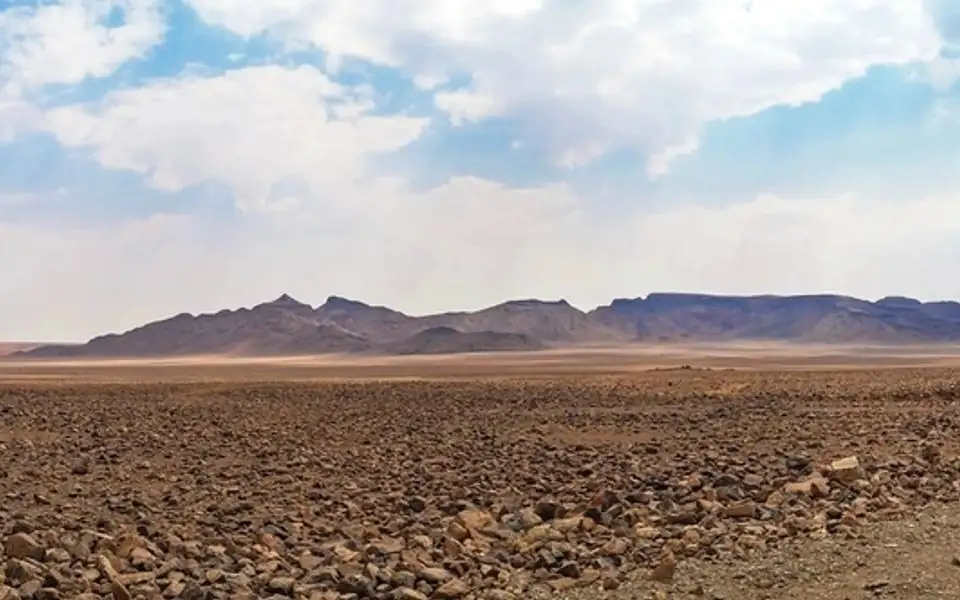
Dry years are a normal part of ranching on the Canadian Prairies, and the hardest calls are easier to make before the rain fails. Good drought grazing management starts in an ordinary year: it sets checkpoints for moisture, decides which animals leave first, and protects the forage resources that have to carry the herd once rain returns. Written down, those decisions turn a stressful summer into a series of planned steps.
Why timing matters so much here
Most grass growth on the Northern Plains happens before midsummer. North Dakota State University Extension estimates that 70 to 80% of forage production in the Dakotas depends on moisture that arrives before early July. Alberta's pasture guidance says much the same for the brown and dark brown soils of southern Alberta, where perennial forage relies mainly on April-to-June moisture. In central Alberta's black and grey soil zones, summer rain counts for more, and tame pastures can regrow after a July storm.
NDSU's loss estimates for the Dakotas: drought conditions through May can cut forage production by 10 to 40% or more, through June by 30 to 70%, through July by half or more. They fit the dry mixedgrass of southern Alberta and Saskatchewan better than the parkland, but the lesson holds everywhere: the longer a decision waits, the fewer options remain available.
Build the reserve before you need it
Flexibility is built in good years, while grass and hay resources are not stretched. A stocking rate set a little below average carrying capacity leaves a cushion of grass, and pastures managed with rotational grazing, adequate rest and plenty of litter hold up longer. Other useful reserves include:
- carryover hay, or a standing arrangement with a supplier;
- a stockpiled pasture or grass bank kept for emergencies;
- a yearling or custom-grazed enterprise that can be cut back without touching the cow herd.
Records make the rest possible: a rain gauge at the yard or field gates, monthly totals against the long-term average, and grazing days from each field. The Canadian Drought Monitor maps from Agriculture and Agri-Food Canada add the regional picture.
Set trigger dates
A drought plan in place before spring ties dates to checks and actions, so management decisions are made against criteria chosen in a calmer moment. South Dakota State University Extension suggests each date weigh rainfall to that point, markets, short-range forecasts, herd options and grass health. A Prairie cow-calf grazing plan might read:
| Date | Check | Possible action |
|---|---|---|
| April | Runoff into dugouts; spring soil moisture | Sample dugouts; line up hay before prices climb |
| Turnout (mid to late May) | Grass height; spring rain against average | Hold cattle on hay longer; seed a summer annual forage for grazing or greenfeed |
| Late June | Rain since turnout; regrowth in the first paddocks | Sell yearlings; pick cull cows for an early sale |
| Late July | Amount of forage left in each pasture | Wean calves; move to annual forages or crop residues ahead of schedule |
| September | Feed in the yard; forage in winter pastures | Close the winter feed gap; use fall moisture to set stocking rates for the next grazing season |
Each date should carry its own threshold, such as a percentage of normal rainfall, so the call is clear when it arrives. If drought continues past the last trigger, the plan moves to its next step instead of waiting for the forecast to change.
Decide who leaves first
A plan for drought should also name the order in which animals go, from the most flexible classes to the least:
- yearlings or custom-grazed cattle;
- cull cows, sold earlier than usual: opens, late calvers, older cows and any that are hard to handle;
- replacement heifers, with fewer retained that year;
- calves, through early weaning, since a dry cow eats noticeably less than a nursing one;
- the core herd last, either sold, drylotted on purchased feed or moved to rented pasture where moisture is better.
Using the grass that is left
Drought grazing management comes down to how the remaining grass is used. Combining cattle into one group shortens the time in each field, lengthens rest and reduces selectivity. Graze pastures with the least reliable water sources first, while dugouts still hold water. The "take half, leave half" rule matters more in dry conditions: plants grazed below their growing points cannot regrow, and the litter left behind protects the soil. Watch grazing pressure, because short grass runs out faster than the calendar suggests, and a field grazed hard in a dry spring should get only light use for the rest of the growing season.
Test water and feed
Low dugouts concentrate salts. Total dissolved solids and sulphates can reach levels that harm livestock, and hot, calm weather can bring toxic blue-green algae blooms. Water sources should be tested as levels drop and fenced off if they become unsafe. Drought-stressed cereals cut for greenfeed can accumulate nitrates, so test the feed. Poisonous plants such as chokecherry and locoweed are also more likely to be eaten when better forage runs short.
Alternative feeds and Canadian supports
Alternative forages can bridge the gap: annual forages seeded for grazing or haying, cereal residues with supplements, and hay bought early. Wean calves before cows go onto residues, which are lower in protein and minerals. Screenings and other feed sources may need a nutritionist's help.
Federal programs can soften the financial blow. Under the Livestock Tax Deferral provision, producers in prescribed regions who sell breeding livestock because of drought, excess moisture or flooding can defer part of the sale income to the following tax year, provided the breeding herd shrinks by at least 15%. AgriStability helps when farm income margins drop sharply, and rainfall-based pasture and forage insurance is available through AFSC in Alberta and through Saskatchewan Crop Insurance.
Plan for recovery
Restocking too soon can undo a careful season. Pastures that were pushed hard need rest after the rain returns, and roots take longer than leaves to rebuild. Monitor regrowth before bringing numbers back up, and review the year: which steps worked, which came too late, and which trigger dates should move. Fold the answers and any new drought management strategies into the ranch management plan while the season is fresh; that review is where drought grazing management for the next dry year begins.