The Original Grazing School
for Women
A Fun Educational Event for Women in Agriculture
Bingo Halls, Card Nights and Fair Games: A History of Gambling in Canada's Prairie Farm Communities
October 18, 2026
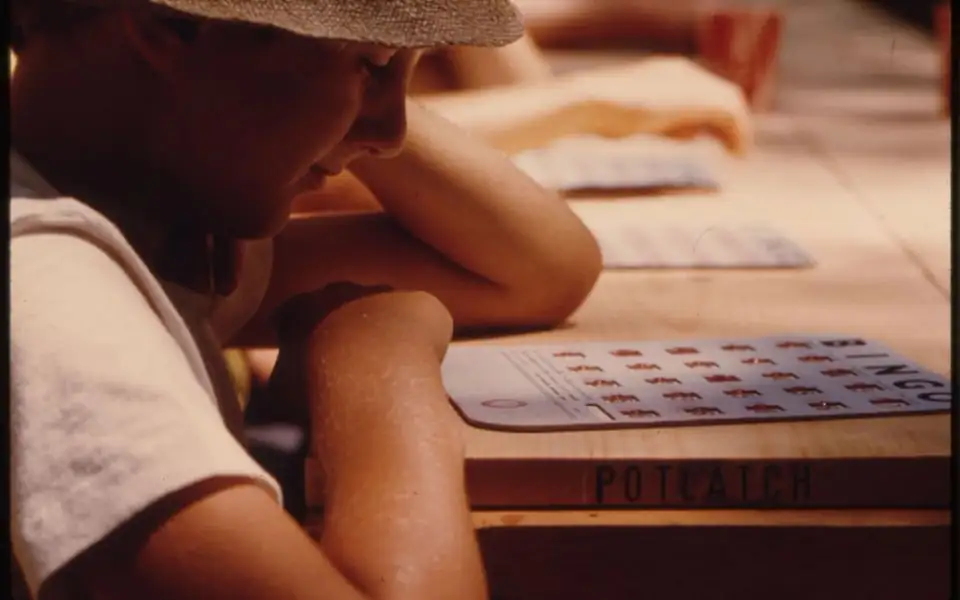
Long before anyone gambled on a phone, a Saskatchewan farm family's idea of a night out might be a whist drive at the district hall, a bingo card in the church basement or a coin tossed at a game stand on fair day. The history of gambling in Canada is often told through racetracks and big draws, yet in Prairie farm communities much of it ran through volunteers raising money for a rink, a hall roof or a church. The same habit of small, social stakes now continues through provincial lottery kiosks and online casino platforms, though the rules around it look nothing like they did a century ago.
Cards, sticks and horses before the law
Games of chance were here well before settlement. Indigenous peoples played with gaming sticks for centuries before European settlers arrived with decks of playing cards. The fur trade and early settlement brought card games, dice and wagers on horse races into trading posts and taverns, where betting was a common activity whatever distant authorities thought of it. Over the past century the most popular betting games in the country have been poker, blackjack, craps and a dice game called barbotte.
1892: a strict code with quiet exceptions
Canada's first Criminal Code, passed in 1892, followed English common law: most betting was illegal, yet gambling was tolerated under certain conditions. According to The Canadian Encyclopedia, a 1910 amendment allowed pari-mutuel betting at racetracks, where winners share the pool of losing stakes after the track takes its cut. Occasional games of chance whose profits went to charitable or religious causes were also allowed, and a few games were permitted at fairs and exhibitions. Those narrow openings in a code built on prohibition shaped rural fundraising for the next sixty years.
Halls, card nights and fair day
Rural districts across the Canadian Prairies built halls, often with volunteer labour. Pioneer Hall near Shaunavon, raised in 1921, became the centre of community life, with dances, weddings, banquets, sports days and picnics, like many others across the Prairies. Card evenings had a place on that calendar too. A whist drive put many tables in play at once, and halls such as Winnipeg's Normandy hall hosted whist drives and bingo alongside dances.
Agricultural fairs added their own kind of play. Regina's exhibition brought in midway rides and sideshows during the 1920s. Bingo, meanwhile, settled into church basements, Legion halls, school gyms and community halls, where it has long thrived, and charities and church groups came to rely on the money it raised.
1969: provincial licences replace the old exceptions
Gambling laws stayed largely the same until 1969, when sweeping Criminal Code amendments let provincial governments license and regulate gaming. The current section 207 still reflects that structure. Lottery schemes may be run by a provincial government, by a charitable or religious organization holding a provincial licence, by the board of a fair or exhibition the province has designated, and, on a small scale, by licensed operators at public places of amusement, where prizes are capped at $500 and entry at $2.
The western governments quickly pooled their efforts. In 1974 British Columbia, Alberta, Saskatchewan and Manitoba incorporated the Western Canada Lottery Foundation. In 1985 Ottawa agreed to withdraw from lotteries entirely, leaving the field to the provinces in exchange for continued payments. That deal completed the modern system, in which each province decides what forms of gaming are legal within its borders, and marked the last major turn in the history of gambling in Canada before the internet.
Charity gaming in Alberta and Saskatchewan today
The old link between gaming and community causes is still visible. Alberta Gaming, Liquor and Cannabis describes a model unique in Canada: Alberta is the only province where charitable organizations are licensed to conduct and manage casino events, alongside bingo, raffles and pull tickets. In 2024–25 the regulator supported more than 23,000 charitable licences, which raised $422.8 million, with 67.6% coming from casino events.
In Saskatchewan, the Liquor and Gaming Authority licenses bingo, breakopen tickets, raffles, Texas Hold'em poker and Monte Carlo events for charitable and religious groups, and pays licensed organizations a grant of 25% of net proceeds, up to $100,000 per licence each fiscal year. Gaming on reserve is licensed separately by Indigenous Gaming Regulators.
From the hall to the screen
Commercial gaming arrived in the West first. Canada's first commercial casino opened in Winnipeg in 1989, casinos soon followed in other parts of the country, and in the 1990s video lottery terminals appeared in licensed bars. Hall bingo has shrunk since its peak. British Columbia's figures show the pattern: casinos, a smoking ban and a shrinking base of players cut bingo revenue there by more than 45% in the four years after 2007–08, though the game still runs in Legions and parish halls.
The newest change is online. Provincial Crown corporations sell digital games, and Alberta created its own regulated market for private online gambling in 2026. For rural Canadians the screen has replaced some of the drive to town, but it has also removed the social side that drew people out to a hall evening, the coffee, the visiting and the shared groan when someone across the room called bingo first.
Keeping it a game
Every province sets a minimum age for gaming: it is 19 in most provinces and 18 in Alberta, Manitoba and Quebec. Every game is built so that, over time, the operator keeps a share of what is wagered; no system, card pattern or lucky seat changes that. Treat any stake as the price of an evening's entertainment, set a limit before you start, and walk away when it is spent. For people who feel the fun has stopped, help is free and confidential: Saskatchewan's Problem Gambling Help Line (1-800-306-6789) runs 24 hours a day, and in Alberta, 211 is now the main entry point for addiction help, gambling included, alongside the 24-hour Addiction Helpline (1-866-332-2322).
Across a century and a half, what the history of gambling in Canada shows on the Prairies is less about jackpots or casinos than about community: the rink that got a new roof, the hall that stayed open, the neighbours who came out on a cold night to sit down at a card table.