The Original Grazing School
for Women
A Fun Educational Event for Women in Agriculture
Low Stress Cattle Handling: Techniques Every Rancher Should Know
October 15, 2026
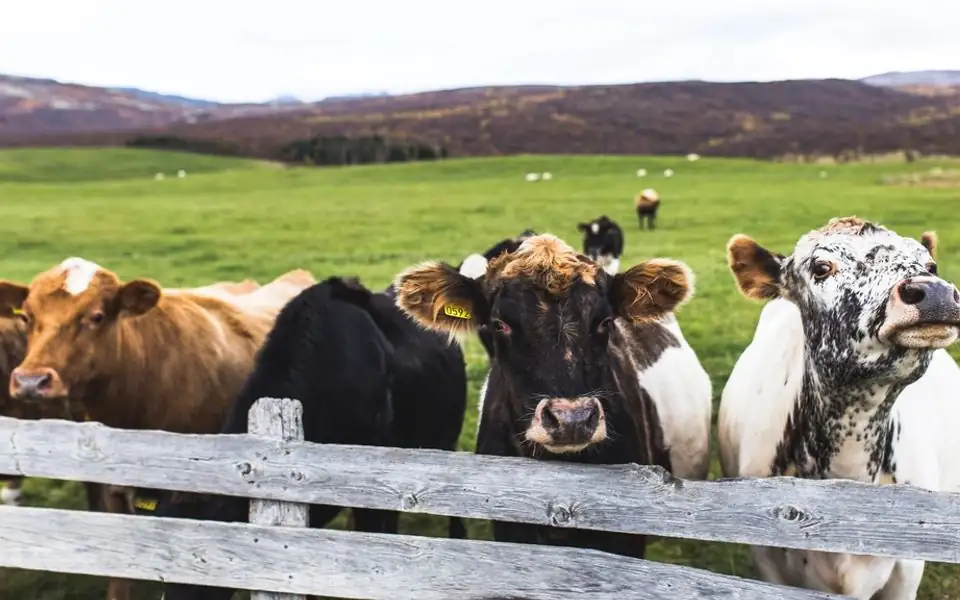
Most wrecks in a corral start the same way: a hurried move, a raised voice, a cow that cannot see where she is supposed to go. Low stress cattle handling replaces that pattern with position, timing and patience. It works with cattle's natural instincts rather than against them, and it relies on where the handler stands relative to the flight zone, not on how strong or loud she is. That makes it useful on any cow-calf operation, from sorting pairs in May to loading calves in October.
Why calm handling pays
Canada's Code of Practice for the Care and Handling of Beef Cattle, developed through the National Farm Animal Care Council, is direct about expectations. Anyone handling cattle must know normal behaviour, through training, experience or mentorship, and must use quiet handling techniques. The code links calm work with less risk of injury to animals and humans alike, and it notes that calm, healthy stock carry more productive and economic value than stressed or sick ones. On animal welfare and on profit, low stress cattle handling points the same way.
Research on low-stress cattle handling, summarized by extension specialists, lists the benefits in detail. Stress during working has been linked to weaker immunity and response to vaccines, a harder weaning, lower weight gain, poorer reproductive performance and lower carcass quality. As prey animals, cows that feel threatened tend to hide signs of illness. In a group comfortable around humans, those signs show earlier, so treatment can start sooner.
A Manitoba Agriculture fact sheet notes that an animal can become excited within a few seconds but needs 20 to 30 minutes for its heart rate to return to normal. One rushed gate can cost half an hour of calm, which is why low-stress handling starts with slowing down.
How cattle see and sense the world
With eyes set on the sides of the head, a cow sees almost all the way around herself, roughly 330 degrees. The exception is a blind spot directly behind her, between the hips. Step into it and she loses track of you, so she will often stop and swing her head to find you again. Manitoba's guidance calls accidental entry into the blind spot the most common mistake handlers make.
Light and contrast matter as much as range of vision. Keep in mind that cattle move more willingly toward lit areas, where potential threats are easier to spot, and balk at dark doorways, deep shadows and sharp changes from sun to shade.
Hearing is sensitive, especially to high-pitched sounds. Hissing air, clanging steel and shouting all cause fear, and the beef code recommends keeping equipment noise down to make movement easier. A low voice, or silence, works better.
Five instincts behind every move
Manitoba's fact sheet, based on a chart from Saskatchewan's Institute of Agricultural Rural and Environmental Health, groups cattle's natural reactions under five instincts. Each suggests handling techniques that work with it:
- Herding. Safety lies in the group. An animal cut off alone shows stress quickly, so keep the rest within sight when one must be separated.
- Habit. Routine gives comfort. Using the same lanes and gates and working at familiar times makes moves smoother.
- Flight. Each animal guards a personal space, its flight zone, and will move away to keep you outside it.
- Territory. Animals become attached to a pen or a well-worn path, and bulls in particular may defend an area. Never turn your back on a bull or on an anxious cow.
- Maternal. A cow protects her calf, sometimes even before calving. Do not step between the two, and expect a quiet cow to change at calving.
Cattle are herd animals before anything else. Moving a few lead cows usually brings the rest along, while pushing hard at the back of a group often splits it.
Flight zone and point of balance
The flight zone is the space around an animal that she tries to keep clear. When a handler steps to its edge, she moves away; step back out and she slows or stops. Its size varies. Range cows raised on open pasture can have a very wide flight zone, while feedlot animals and dairy cows used to close contact have small ones. Genetics play a part, and so do handling experiences: rough treatment builds fear and larger flight zones, and gentle work shrinks them over time.
The point of balance sits at the shoulder. Inside the zone and behind the point of balance, the animal moves forward; in front of it, she backs up or turns. This lets handlers move cattle forwards or backwards, steer them and stop them with very little effort. The skill is staying near the edge of the cow's flight zone. Going too deep can cause cattle to bolt, and staying too far out produces no response at all. If the group speeds up, back off. If it stalls, ease back in.
A few positions come up again and again:
- Passing the shoulder the opposite way. Walking from an animal's head toward her tail, inside the zone, encourages her to step forward and go by you. In a single-file alley this is often called the walk-back-by, and it is the simplest way to get forward movement without contact.
- Parallel movement. Walking alongside an animal at the edge of her zone and a little behind the point of balance, keeps her going. Speeding up to draw level with the point of balance slows her, and stepping just ahead stops her.
- Zigzag. Behind a group, a zigzag pattern keeps animals on both sides aware of you and spreads pressure evenly, while naturally slowing your own pace.
Pressure and release
These techniques rest on one fact: cattle learn from the moment pressure stops. Your position, your movement, even direct eye contact all count as pressure from the handler. Apply just enough pressure, often a single step into the flight zone, to get the desired direction, then release pressure the instant the animal responds: step back, look away or stand still. That release is the reward. Constant pressure with no release confuses animals and can turn a calm cow into one that charges.
A good handler escalates slowly. Start with position, then a step closer, then a flag or paddle if needed. The Virginia Cooperative Extension guide adds that a hand on the shoulder, slid along the back, can get a stuck animal going in an alley, with a tail curl kept as a last resort and let go as soon as she takes a step. A walk is the target pace for handler and herd alike, because it is easier to move a walking animal than to steady a running one.
Reading body language
Fear and stress are visible long before a wreck. Obvious signs include running, kicking, bawling and turning on a handler. Subtler ones are fast, heavy breaths and eyes rolled to show the white. Manitoba's guidance lists the warning signs of aggression: a dropped head, turning sideways, pawing, raised ears, snorting, quick erratic movement and a raised tail. When you see them, release the pressure and give the animal room; walking away for a few minutes costs less than a wreck. Memory matters too: a cow roughed up at last fall's preg check may come in tense this spring, however quietly the day begins.
Relaxed animals walk or trot calmly, carry their heads at a normal height and watch you without fleeing. Cows in heat and freshly calved cows can be less predictable even with careful methods, so stay alert around them.
Moving cattle on pasture and out of pens
On open ground, work the front and sides of the herd rather than the back. Get the leaders going by working the edge of their flight zone, keep them moving, and let the followers come. Because cattle keep a handler in view, where you stand as they pass also decides which way the leaders swing once they are clear, so pick that spot before the move starts. The same low-stress handling techniques apply on horseback, with smaller cues because a rider covers ground faster.
To empty a pen, enter near the gate and let the group circle past you, just outside their flight zone, toward the opening. Driving from the far corner packs animals into the gateway, and once the front stops, nothing behind it can move. Sorting goes best a few head at a time, two to five: a lone animal frets about being cut off, and a big bunch crowds and hides the one you want.
Corrals, alleys and the chute
Good facility design does much of the work for the handler and helps reduce stress at the busiest times of year. The beef code requires every operation to have access to equipment or facilities for safe handling, restraint, treatment, sorting and loading, and it recommends good traction to prevent slips and falls. Manitoba's troubleshooting list points to the usual culprits when animals refuse to go forward:
- a dead-ended chute, or an alley that appears to lead nowhere;
- dark spots in the chute, or a move from daylight into a dark building;
- a crowding pen packed too full; fill it no more than one-third to one-half;
- a bright opening right beside the exit point that draws animals the wrong way;
- something unfamiliar in view, such as a coat draped over a post or a jacket flapping in the wind;
- handlers standing in view at the exit.
Do not ask an animal to move if she has nowhere to go. Wait until the one ahead has advanced, then bring the next forward. Crowding into a full alley only adds fear and invites injury.
Handling aids and electric prods
Flags, plastic paddles and rattles extend your reach and help handlers to move animals without contact, and the code lists them as recommended tools. Electric prods are another matter: they are a source of stress, so the rules are strict. Under the current beef code, they must only be used when animal or human safety is at risk, or as a last resort when other humane options have failed, and only when the animal has a clear path ahead. They must not be used repeatedly on the same animal, or on the genitals, face, udder or anal area, and not on calves under three months of age that can be moved by hand. The code also names beating, slamming gates on animals, letting dogs keep pushing stock that have nowhere to go, and dragging or pushing with machinery as unacceptable, except where machinery is needed to protect animal or human safety.
The code is under revision. NFACC took public comments on a draft from April 13 to June 12, 2026, and farm press coverage of the draft describes expanded guidance on low-stress handling. Until a final version is published, the 2013 requirements stand. In daily work the goal is a prod that rarely leaves the shelf: if your records show it in use on more than the odd animal, look first at the facility and at where handlers stand.
Training calves before weaning
Weaning is where low-stress cattle handling pays off most visibly, and calm behaviour can be taught ahead of it. One of the best-known training techniques, credited to Bud Williams, brings cow-calf pairs quietly from pasture into a holding pen and moves the whole group from one pen to the next until they walk calmly past the handler. Only then are cows let through to the second pen while handlers quietly step in front of calves that try to follow. Two handlers help, one at the gate, and everything happens at a walk. Every gather before weaning, whatever its purpose, is a chance to repeat the lesson, and calves that have practised it handle the real separation with less stress.
Keeping score on your own handling
The beef code suggests regular self-checks. Track the share of animals that fall during handling, stumble or trip coming out of the chute, need an electric prod to move, run or jump when they leave the chute, or vocalize while restrained. Rising numbers point to a source of stress such as lighting, noise, equipment, methods or the environment, and they show whether changes are working.
The code also recommends taking a course in cattle handling techniques. Low stress cattle handling clinics, such as those Alberta's Foothills Forage and Grazing Association has hosted, US Beef Quality Assurance cattle care guides and the animal care training in Canada's Verified Beef Production Plus program all give a structured place to start. After that, the best teacher is the herd itself. Watch each move, adjust your position and keep the next one a little quieter.